Hey there! As an excavator supplier, I often get asked about how much excavator insurance costs. It's a crucial question because insurance is like a safety net for your valuable equipment. In this blog, I'll break down the factors that influence excavator insurance costs and give you a rough idea of what you might expect to pay.
First off, let's talk about what excavator insurance actually covers. Generally, it includes protection against physical damage to the excavator, whether it's from accidents, theft, or natural disasters. It can also cover liability in case your excavator causes damage to someone else's property or injures a third party. Some policies even offer coverage for loss of use, which means you'll get compensated if your excavator is out of commission for a while.
Now, onto the factors that affect the cost of excavator insurance. The age and condition of the excavator play a big role. Newer excavators usually cost more to insure because they're more expensive to replace. For example, if you're looking at a brand - new top - of - the - line excavator, the insurance premium is likely to be higher compared to an older model. And if your excavator is in poor condition, the insurance company might see it as a higher risk and charge you more.
The type of excavator also matters. There are different types, like crawler excavators, wheeled excavators, and mini - excavators. Each type has its own set of risks and usage patterns. For instance, wheeled excavators are more mobile and can be used on different terrains, but they might be more prone to accidents on the road. Crawler excavators, on the other hand, are heavier and more stable but can cause more damage if they tip over. Insurance companies take these factors into account when setting the premium.
Your location is another important factor. If you operate your excavator in an area with a high crime rate, the risk of theft is greater, and your insurance cost will go up. Similarly, if you're in an area prone to natural disasters like floods or earthquakes, the insurance company will factor in the increased risk of damage.
The usage of the excavator is a key determinant as well. If you use your excavator for commercial purposes, such as large - scale construction projects, the insurance cost will be higher than if you're using it for personal or small - scale jobs. Commercial use means more hours of operation, more wear and tear, and a higher likelihood of accidents.
Let's talk about some real - world examples. Say you're interested in a Second-hand XCMG XE60WGH Wheel Loader. This is a popular second - hand wheeled excavator. Since it's second - hand, the insurance cost might be a bit lower than a new one, but it still depends on its condition and how you plan to use it. If you're using it for light - duty landscaping jobs around your property, the insurance premium will be relatively low. But if you're using it for a big construction project, the cost will increase.
Another example is the Used Howo HP 371. Although it's not a traditional excavator, it's an industrial vehicle that might be used in conjunction with excavator operations. The insurance cost for this used vehicle will also be influenced by its age, condition, and how it's used. If it's used for heavy - hauling in a busy construction site, the insurance company will consider it a higher - risk vehicle and charge a higher premium.
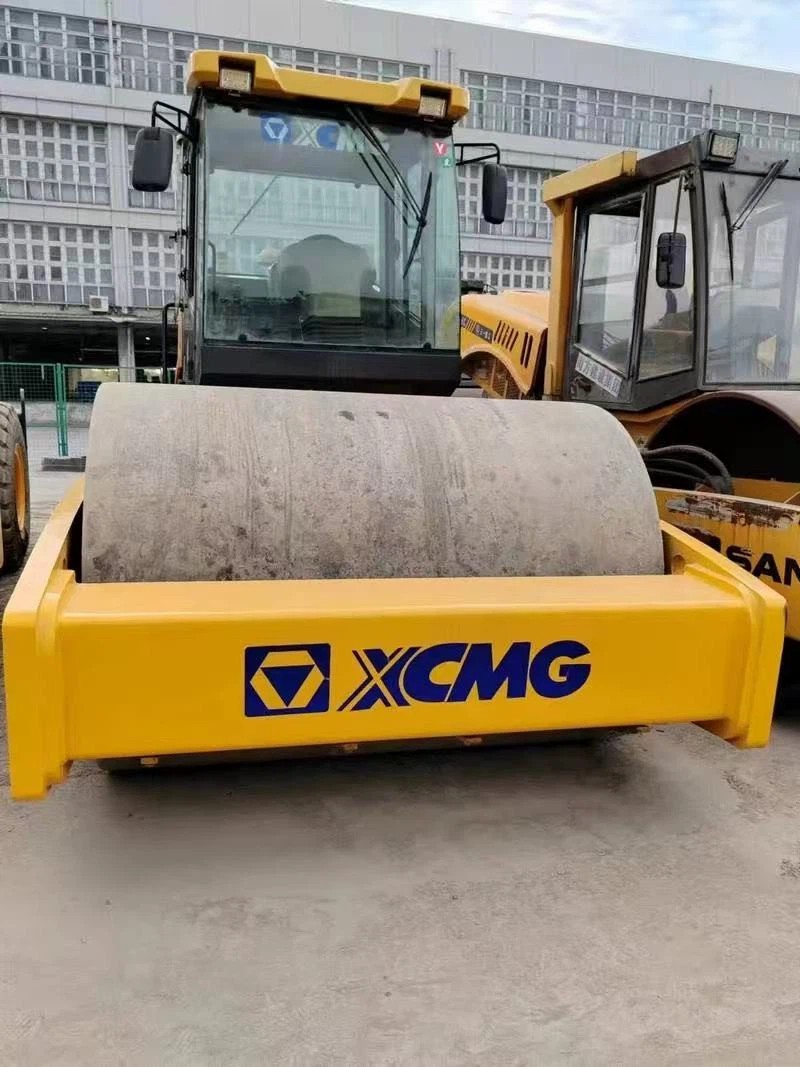
And then there's the Second-hand XCMG XS223J Road Roller. Road rollers are important in construction for compacting soil and asphalt. The insurance cost for this second - hand road roller will depend on factors like its previous usage, maintenance history, and where it will be used. If it's going to be used on a high - traffic construction site, the risk of damage and liability claims is higher, so the insurance cost will reflect that.
On average, excavator insurance can cost anywhere from a few hundred dollars to several thousand dollars per year. For a small, older mini - excavator used for personal projects, you might pay around $500 - $1000 per year. But for a large, new crawler excavator used in commercial construction, the annual insurance cost could be $5000 or more.
It's also important to note that you can take steps to lower your insurance cost. One way is to have a good safety record. If you and your operators have a history of safe operation, the insurance company will see you as a lower - risk customer and might offer you a discount. Another way is to install security features on your excavator, like alarms and tracking devices. This reduces the risk of theft and can lead to lower premiums.

So, if you're in the market for an excavator or already own one, it's essential to shop around for insurance. Different insurance companies have different rates and policies, so it pays to get quotes from multiple providers. You can also work with an insurance broker who specializes in construction equipment insurance. They can help you find the best policy for your needs at a reasonable price.
If you're interested in purchasing an excavator or any of the equipment I've mentioned, or if you have more questions about excavator insurance, don't hesitate to reach out. I'm here to help you make the right decisions for your construction business. Whether you're a small contractor or a large construction company, having the right excavator and the right insurance is crucial for your success.
In conclusion, the cost of excavator insurance varies widely depending on many factors. By understanding these factors and taking steps to manage risk, you can find an insurance policy that fits your budget and provides the protection you need.
References:
General knowledge of the construction equipment insurance industry.
Experience as an excavator supplier dealing with insurance - related inquiries.