As a supplier of double-axle trailers, I understand the importance of a proper maintenance schedule to ensure the longevity, safety, and optimal performance of these valuable assets. Double-axle trailers are widely used for various purposes, from transporting goods to recreational towing. In this blog, I will share the recommended maintenance schedule for double-axle trailers, covering key components and inspection intervals.
Pre-Trip Inspection
Before every trip, a quick pre-trip inspection is essential to identify any potential issues that could lead to problems on the road. Here's what you should check:
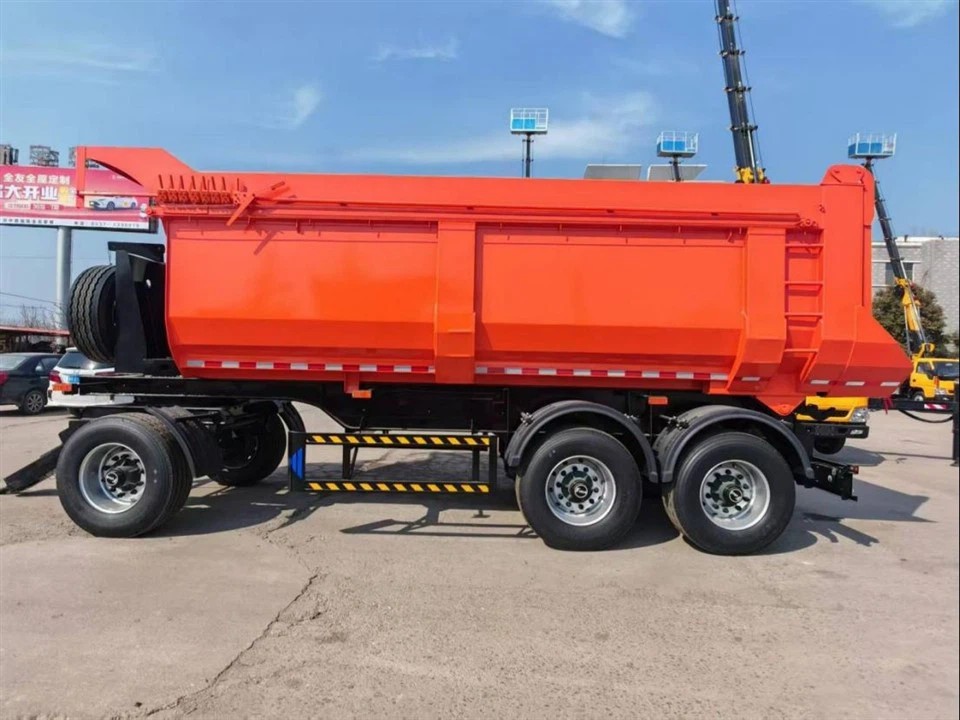
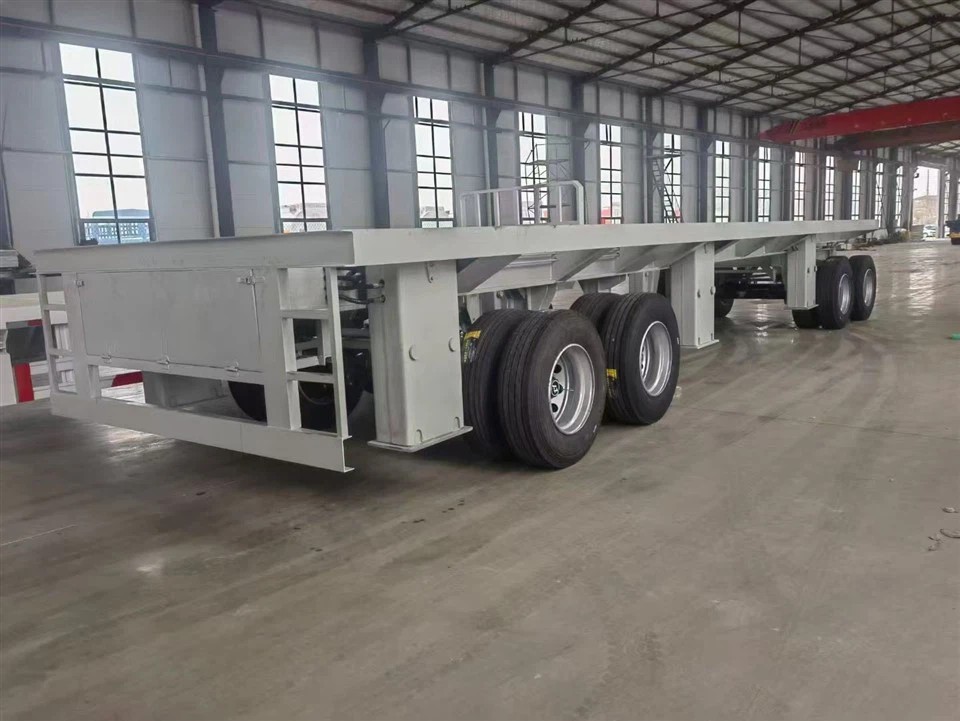
Tires: Inspect the tire pressure and look for signs of wear, such as uneven tread or bulges. Ensure that the tires are properly inflated according to the manufacturer's recommendations. You can find the recommended tire pressure on the trailer's placard or in the owner's manual.
Lights: Check all the trailer lights, including the brake lights, turn signals, and running lights. Make sure they are working properly and are clean. Replace any burned-out bulbs or damaged wiring.
Coupling: Inspect the trailer hitch and coupler to ensure they are securely attached to the towing vehicle. Check the locking mechanism and make sure it is engaged correctly.
Safety Chains: Ensure that the safety chains are properly attached and crossed under the trailer tongue. The chains should be long enough to allow for normal turning and braking but short enough to prevent the trailer from separating from the towing vehicle in case of a hitch failure.
Brakes: If your double-axle trailer is equipped with brakes, test them to make sure they are working properly. Apply the brakes gently while the trailer is moving slowly and listen for any unusual noises or vibrations.
Suspension: Check the suspension components, such as the springs, shocks, and axles, for any signs of damage or wear. Look for cracks, leaks, or excessive play in the suspension parts.
Weekly Maintenance
In addition to the pre-trip inspection, a more comprehensive weekly maintenance check is recommended to keep your double-axle trailer in top condition. Here's what you should do:
Tire Rotation: Rotate the tires on your double-axle trailer every 5,000 to 8,000 miles to ensure even wear. This will help extend the life of the tires and improve the trailer's handling and stability.
Lubrication: Lubricate the trailer's moving parts, such as the wheel bearings, hinges, and coupler, according to the manufacturer's recommendations. Use a high-quality lubricant to prevent rust and corrosion and to ensure smooth operation.
Brake Inspection: Inspect the brake pads, shoes, and drums for wear and tear. Replace any worn-out brake components as soon as possible to ensure the safety of your trailer and other road users.
Electrical System: Check the trailer's electrical system for any loose connections, frayed wires, or damaged components. Make sure the battery is fully charged and the wiring is in good condition.
Suspension Inspection: Inspect the suspension components for any signs of damage or wear. Look for cracks, leaks, or excessive play in the suspension parts. If you notice any problems, have them repaired by a qualified mechanic.
Monthly Maintenance
A monthly maintenance check is a good opportunity to perform more in-depth inspections and maintenance tasks on your double-axle trailer. Here's what you should do:
Frame Inspection: Inspect the trailer's frame for any signs of damage, such as cracks, bends, or rust. Look for any loose or missing bolts or nuts and tighten them as needed.
Axle Alignment: Check the axle alignment to ensure that the wheels are properly aligned. Misaligned axles can cause uneven tire wear, poor handling, and increased fuel consumption. If you notice any problems with the axle alignment, have it corrected by a qualified mechanic.
Brake Fluid Check: Check the brake fluid level in the master cylinder and top it off if necessary. Make sure the brake fluid is clean and free of contaminants. If the brake fluid is dirty or contaminated, have it flushed and replaced by a qualified mechanic.
Trailer Jack Inspection: Inspect the trailer jack for any signs of damage or wear. Make sure the jack is in good working condition and can support the weight of the trailer. If you notice any problems with the trailer jack, have it repaired or replaced as soon as possible.
Storage: If you are not using your double-axle trailer for an extended period of time, store it in a dry, protected area. Cover the trailer with a tarp to protect it from the elements and to prevent rust and corrosion.
Annual Maintenance
An annual maintenance check is a comprehensive inspection and maintenance service that should be performed by a qualified mechanic. Here's what you should expect during an annual maintenance check:
Full Inspection: The mechanic will perform a full inspection of the trailer, including the frame, axles, suspension, brakes, electrical system, and tires. They will look for any signs of damage, wear, or corrosion and recommend any necessary repairs or maintenance.
Wheel Bearing Service: The mechanic will remove the wheels and inspect the wheel bearings for wear and tear. They will clean and repack the wheel bearings with fresh grease to ensure smooth operation and to prevent premature failure.
Brake Service: The mechanic will inspect the brake system, including the brake pads, shoes, drums, and calipers. They will replace any worn-out brake components and adjust the brakes as needed to ensure proper operation.
Electrical System Service: The mechanic will inspect the trailer's electrical system, including the battery, wiring, and lights. They will check for any loose connections, frayed wires, or damaged components and make any necessary repairs or replacements.
Suspension Service: The mechanic will inspect the suspension components, including the springs, shocks, and axles. They will look for any signs of damage, wear, or corrosion and recommend any necessary repairs or maintenance.
Recommended Maintenance Schedule Summary
Here's a summary of the recommended maintenance schedule for double-axle trailers:
| Maintenance Task | Frequency |
|---|---|
| Pre-Trip Inspection | Before every trip |
| Weekly Maintenance | Weekly |
| Tire Rotation | Every 5,000 to 8,000 miles |
| Lubrication | According to the manufacturer's recommendations |
| Brake Inspection | Weekly |
| Electrical System Check | Weekly |
| Suspension Inspection | Weekly |
| Frame Inspection | Monthly |
| Axle Alignment Check | Monthly |
| Brake Fluid Check | Monthly |
| Trailer Jack Inspection | Monthly |
| Storage | When not in use |
| Annual Maintenance | Annually |
Conclusion
Proper maintenance is essential to ensure the longevity, safety, and optimal performance of your double-axle trailer. By following the recommended maintenance schedule outlined in this blog, you can help prevent costly repairs and breakdowns and keep your trailer in top condition for years to come.
If you're in the market for a high-quality double-axle trailer, we offer a wide range of options to suit your needs. Check out our Mid-mounted Box-type Trailer, Mid-mounted Axle Trailer, and Center-axle Flatbed Trailer for more details.
If you have any questions or would like to discuss your trailer needs, please don't hesitate to contact us. We're here to help you find the perfect trailer for your requirements and provide you with the support and service you deserve.
References
Trailer Manufacturer's Owner's Manual
National Highway Traffic Safety Administration (NHTSA) Guidelines
Society of Automotive Engineers (SAE) Standards