Hey there! As a supplier of compaction machinery, I often get asked about the compaction capacity of large - scale compaction machines. So, I thought I'd take some time to break it down for you.
First off, what exactly is compaction capacity? Well, it's basically the amount of material a compaction machine can compact within a given period. This is a crucial factor when it comes to large - scale construction projects, road building, and landfill operations.
Factors Affecting Compaction Capacity
There are several factors that influence the compaction capacity of a large - scale compaction machine. Let's start with the type of machine. There are different kinds, like vibratory rollers, pneumatic - tired rollers, and sheepsfoot rollers. Each has its own unique way of compacting materials, and this affects how much they can get done.
Vibratory rollers are super popular. They use vibration to increase the density of the material being compacted. The vibration helps to rearrange the particles in the soil or asphalt, making it more compact. The frequency and amplitude of the vibration can be adjusted, and this has a big impact on the compaction capacity. Higher frequencies and amplitudes generally mean more effective compaction, but they also need to be matched to the type of material. For example, if you're compacting granular soil, a higher frequency might work well. But for cohesive soil, you might need to adjust the settings.
Pneumatic - tired rollers, on the other hand, use a series of rubber tires to apply pressure to the material. The weight of the machine and the inflation pressure of the tires are important factors. The tires can conform to the surface of the material, which is great for achieving a smooth finish. However, their compaction capacity might be a bit different compared to vibratory rollers, especially when it comes to deeper layers of material.
Sheepsfoot rollers have a drum with protruding feet. These feet penetrate the material, creating a kneading action. This is excellent for compacting cohesive soils. The number and size of the feet, as well as the weight of the machine, determine how much material they can compact.
Another factor is the size of the machine. Larger compaction machines usually have a greater compaction capacity. They can cover more ground in one pass and apply more pressure. But bigger isn't always better. You also need to consider the job site conditions. If the area is small or has a lot of obstacles, a large machine might not be the most practical choice.
The type of material being compacted is also key. Different materials have different compaction requirements. For instance, asphalt requires a different compaction process compared to soil. Asphalt needs to be compacted while it's still hot, and the compaction machine needs to be able to handle the high - temperature environment. Soil, on the other hand, can vary widely in its properties. Sandy soil is easier to compact than clayey soil because the particles in sandy soil are more rounded and can move around more easily.
Measuring Compaction Capacity
There are a few ways to measure the compaction capacity of a large - scale compaction machine. One common method is to look at the area that can be compacted per hour. This is usually measured in square meters or square feet. For example, a large vibratory roller might be able to compact 500 square meters of asphalt per hour under ideal conditions.
Another way is to consider the depth of compaction. A machine might be able to compact a certain depth of material in a single pass. For example, a sheepsfoot roller might be able to compact soil to a depth of 30 centimeters in one pass. The combination of the area covered and the depth of compaction gives you a better idea of the overall compaction capacity.
Real - World Applications
Let's talk about some real - world applications. In road construction, compaction is essential for creating a durable and smooth road surface. A large - scale compaction machine can quickly compact the base layers of the road, which are usually made of crushed stone or gravel. This provides a stable foundation for the asphalt layer on top.
In landfill operations, compaction is used to reduce the volume of waste. Large compaction machines can drive over the waste, compacting it and allowing more waste to be stored in the landfill. This is important for maximizing the capacity of the landfill and reducing environmental impacts.
Related Machinery
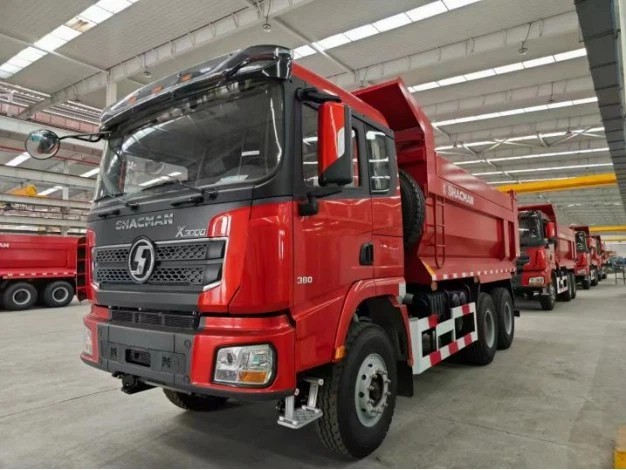
When it comes to construction projects, compaction machines often work in conjunction with other types of machinery. For example, you might need a Used Shaanxi Automobile 6x4 to transport the materials to the job site. These dump trucks are reliable and can carry large loads of soil, gravel, or asphalt.
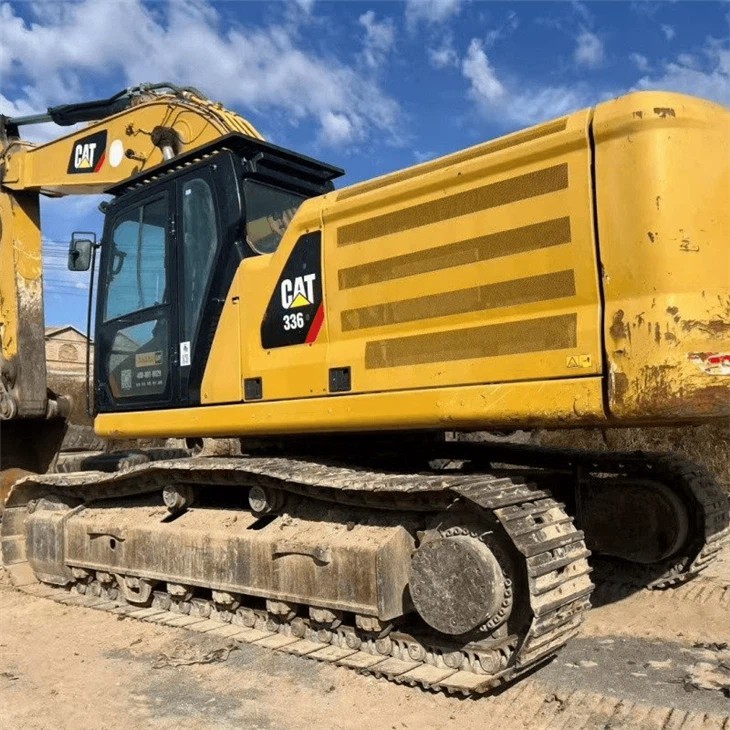
A Used CAT 336D Crawler Excavator can be used to prepare the ground before compaction. It can dig, move, and level the soil, making it ready for the compaction machine.
And if you're transporting materials in containers, a Container Frame 45 - foot Semi - trailer can be a great option. It's designed to carry large containers safely and efficiently.
Why Choose Our Compaction Machinery
As a supplier of compaction machinery, we offer a wide range of products to meet your needs. Our machines are built with the latest technology and high - quality materials, ensuring reliable performance and long - term durability. We understand that different projects have different requirements, so we can help you choose the right machine for your job.
Whether you're working on a small residential project or a large - scale commercial development, we've got you covered. Our team of experts can provide you with all the information you need about compaction capacity, operation, and maintenance.
Contact Us for Purchase and Negotiation
If you're interested in our compaction machinery or have any questions about compaction capacity, don't hesitate to get in touch. We're here to help you make the best decision for your project. Whether you need a new machine or want to explore our used equipment options, we can assist you every step of the way.
References
Construction Equipment Handbook, various editions
Journal of Geotechnical and Geoenvironmental Engineering
Manual of Asphalt Pavement Construction and Compaction